Buy weiden.eu ?
We are moving the project
weiden.eu .
Are you interested in purchasing the domain
weiden.eu ?
domain@kv-gmbh.de · 0541-91531010
Buy weiden.eu ?
How many millimeters of wood can I remove with sandpaper?
The amount of wood that can be removed with sandpaper depends on the grit of the sandpaper, the pressure applied, and the type of wood being sanded. Generally, coarse grit sandpaper (around 60-80 grit) can remove a few millimeters of wood with moderate pressure and repeated sanding. Finer grit sandpaper (around 120-150 grit) will remove less wood per pass, but can still be effective with patience and persistence. It's important to use caution and test on a small area to avoid removing too much wood. **
Do you need to plane rough wood or is sandpaper enough?
It depends on the level of roughness and the desired finish. If the rough wood has significant imperfections or uneven surfaces, then using a plane to level and smooth the wood may be necessary before sanding. However, if the roughness is minimal and the wood just needs to be smoothed out, then sandpaper alone may be sufficient. Ultimately, the decision to use a plane or sandpaper will depend on the specific condition of the rough wood and the desired end result. **


Similar search terms for Sandpaper
Top-Angebote
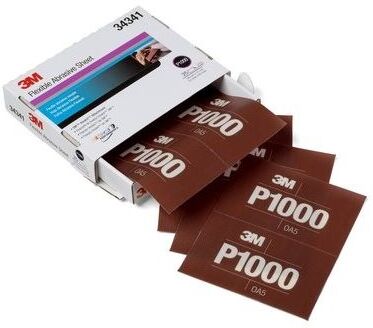
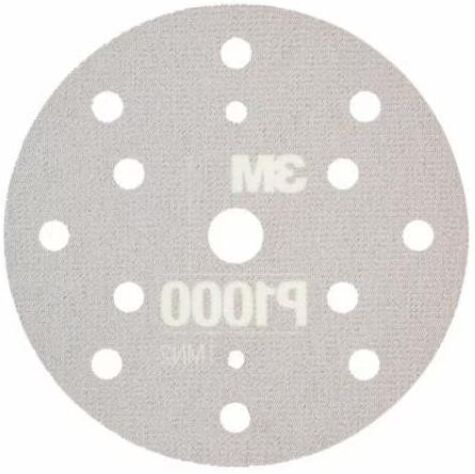
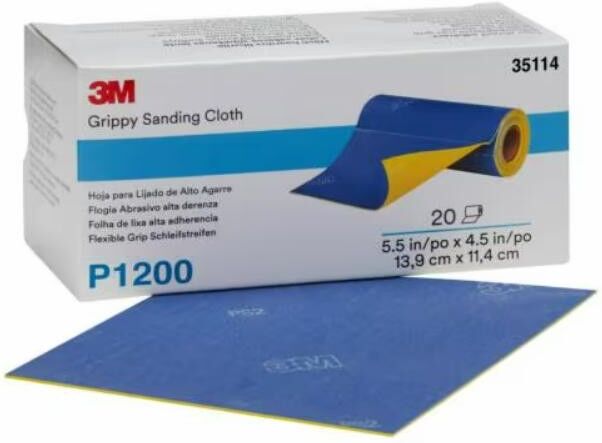
Products related to Sandpaper:

-
With what strength sandpaper can one sand which type of wood?
The strength of sandpaper needed to sand wood depends on the type of wood and the desired finish. For softer woods like pine or cedar, a lower grit sandpaper (60-100) is suitable for removing rough surfaces and shaping the wood. For hardwoods like oak or maple, a higher grit sandpaper (120-220) is better for smoothing and finishing the wood. It's important to start with a lower grit and gradually move to higher grit sandpaper to achieve a smooth and polished finish. **
-
What is similar to sandpaper?
Emery cloth is similar to sandpaper. It is an abrasive material that is used for sanding and smoothing surfaces. Emery cloth is made by gluing fine emery particles to a cloth backing, similar to how sandpaper is made with sand particles on a paper backing. Both sandpaper and emery cloth are used for tasks such as smoothing wood, removing rust, and preparing surfaces for painting or finishing. **
-
Can you remove hair with sandpaper?
While it is technically possible to remove hair with sandpaper, it is not recommended as it can be very painful and damaging to the skin. Sandpaper is abrasive and can cause irritation, cuts, and even infection if not used properly. There are much safer and more effective methods for hair removal, such as shaving, waxing, or using depilatory creams. It is best to avoid using sandpaper for hair removal and opt for more appropriate and gentle methods. **
-
Can I use sandpaper as grip tape?
While sandpaper may provide some level of grip on a surface, it is not recommended to use it as a substitute for grip tape on a skateboard. Grip tape is specifically designed for skateboards, providing the right amount of grip and durability needed for skating. Sandpaper may wear out quickly, not adhere properly to the skateboard deck, and potentially damage the shoes of the skater. It is best to invest in proper grip tape for optimal performance and safety while skateboarding. **
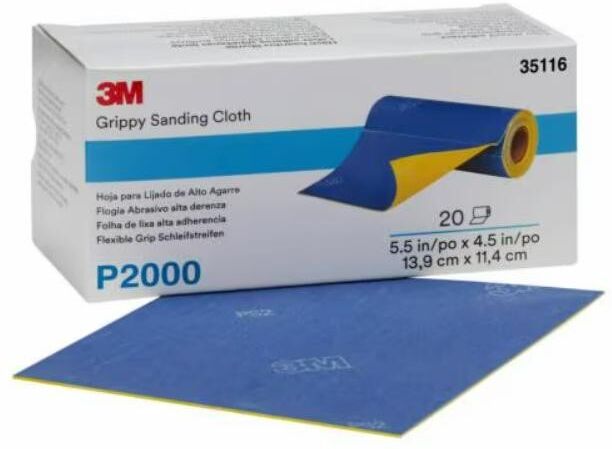

Which grit would you choose for sandpaper?
The grit of sandpaper you choose depends on the task at hand. For rough sanding or removing old paint, a lower grit (such as 60-80) would be more suitable. For smoothing surfaces or preparing for painting, a medium grit (such as 120-150) would be ideal. For fine finishing or between coats of paint, a higher grit (such as 220-400) would be the best choice. **
Which sandpaper is suitable for a bicycle?
For sanding a bicycle, it is best to use medium-grit sandpaper, such as 120-150 grit. This grit is coarse enough to remove any old paint or rust, but not so coarse that it will leave deep scratches in the metal. It will provide a good surface for new paint or primer to adhere to, and will help smooth out any imperfections in the metal. Always make sure to clean the surface thoroughly after sanding to remove any dust or debris before applying new paint or finish. **
Top-Angebote
Products related to Sandpaper:
-
Uplift Picks Handheld Sandpaper Holder For Wall And Wood Sanding Handheld Sandpaper Holder For Wall And Wood SandingMake manual sanding more controlled with this sandpaper holderdesigned for walls, drywall, plaster, wood, and other flat surfaces. Its ergonomic handle gives you a more comfortable grip while the flat base helps apply even pressure across the...52,98 $*Shipping: 0,00 $Secure redirect to the provider
-
How many millimeters of wood can I remove with sandpaper?
The amount of wood that can be removed with sandpaper depends on the grit of the sandpaper, the pressure applied, and the type of wood being sanded. Generally, coarse grit sandpaper (around 60-80 grit) can remove a few millimeters of wood with moderate pressure and repeated sanding. Finer grit sandpaper (around 120-150 grit) will remove less wood per pass, but can still be effective with patience and persistence. It's important to use caution and test on a small area to avoid removing too much wood. **
-
Do you need to plane rough wood or is sandpaper enough?
It depends on the level of roughness and the desired finish. If the rough wood has significant imperfections or uneven surfaces, then using a plane to level and smooth the wood may be necessary before sanding. However, if the roughness is minimal and the wood just needs to be smoothed out, then sandpaper alone may be sufficient. Ultimately, the decision to use a plane or sandpaper will depend on the specific condition of the rough wood and the desired end result. **
-
With what strength sandpaper can one sand which type of wood?
The strength of sandpaper needed to sand wood depends on the type of wood and the desired finish. For softer woods like pine or cedar, a lower grit sandpaper (60-100) is suitable for removing rough surfaces and shaping the wood. For hardwoods like oak or maple, a higher grit sandpaper (120-220) is better for smoothing and finishing the wood. It's important to start with a lower grit and gradually move to higher grit sandpaper to achieve a smooth and polished finish. **
-
What is similar to sandpaper?
Emery cloth is similar to sandpaper. It is an abrasive material that is used for sanding and smoothing surfaces. Emery cloth is made by gluing fine emery particles to a cloth backing, similar to how sandpaper is made with sand particles on a paper backing. Both sandpaper and emery cloth are used for tasks such as smoothing wood, removing rust, and preparing surfaces for painting or finishing. **
Similar search terms for Sandpaper
-
Can you remove hair with sandpaper?
While it is technically possible to remove hair with sandpaper, it is not recommended as it can be very painful and damaging to the skin. Sandpaper is abrasive and can cause irritation, cuts, and even infection if not used properly. There are much safer and more effective methods for hair removal, such as shaving, waxing, or using depilatory creams. It is best to avoid using sandpaper for hair removal and opt for more appropriate and gentle methods. **
-
Can I use sandpaper as grip tape?
While sandpaper may provide some level of grip on a surface, it is not recommended to use it as a substitute for grip tape on a skateboard. Grip tape is specifically designed for skateboards, providing the right amount of grip and durability needed for skating. Sandpaper may wear out quickly, not adhere properly to the skateboard deck, and potentially damage the shoes of the skater. It is best to invest in proper grip tape for optimal performance and safety while skateboarding. **
-
Which grit would you choose for sandpaper?
The grit of sandpaper you choose depends on the task at hand. For rough sanding or removing old paint, a lower grit (such as 60-80) would be more suitable. For smoothing surfaces or preparing for painting, a medium grit (such as 120-150) would be ideal. For fine finishing or between coats of paint, a higher grit (such as 220-400) would be the best choice. **
-
Which sandpaper is suitable for a bicycle?
For sanding a bicycle, it is best to use medium-grit sandpaper, such as 120-150 grit. This grit is coarse enough to remove any old paint or rust, but not so coarse that it will leave deep scratches in the metal. It will provide a good surface for new paint or primer to adhere to, and will help smooth out any imperfections in the metal. Always make sure to clean the surface thoroughly after sanding to remove any dust or debris before applying new paint or finish. **
* All prices are inclusive of VAT and, if applicable, plus shipping costs. The offer information is based on the details provided by the respective shop and is updated through automated processes. Real-time updates do not occur, so deviations can occur in individual cases. ** Note: Parts of this content were created by AI.